White Leaf Doodle Illustration: A Versatile Graphic for Creative Projects
As a professional graphic designer with years of experience in crafting visual identities and marketing materials, I often find myself sifting through design assets to determine their real-world usability. Recently, I reviewed the White Leaf Doodle Illustration, and it sparked my interest due to its organic charm and adaptability. This is not just another clipart—it’s a thoughtfully created illustration that can add personality and texture to a range of projects. Let me walk you through my assessment from a practical design standpoint.
Aesthetic First Impressions and Visual Mood
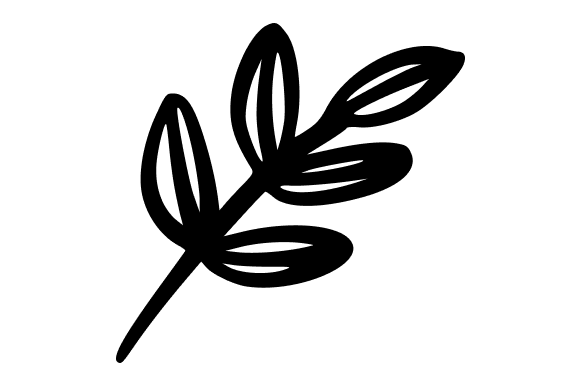
The Hand-Drawn Black and White Leaf Doodle Illustration immediately conveys a sense of simplicity and natural elegance. Its freeform lines and subtle imperfections give it an artisanal feel, making it ideal for brands or businesses that want to emphasize a handmade, earthy, or organic aesthetic. The black-and-white palette is both timeless and versatile, allowing it to be layered over various colors or used as a standalone element without clashing.
This illustration feels like it was born from a sketchbook rather than a digital tool, which adds authenticity. It evokes the mood of a seasonal campaign—perhaps fall or spring—with its leaf motif suggesting growth, nature, and renewal. That makes it a strong candidate for use in branding for eco-friendly products, wellness services, or small businesses in the food, fashion, or lifestyle industries.
Real-World Design Applications
I tested this asset across multiple scenarios to see how it performs under different conditions. Here’s where it truly shines:
- Hero graphics: The doodle works beautifully in large layout areas such as website headers or poster designs. Its soft edges and rhythmic line flow make it feel dynamic yet calming, especially when placed behind clean typography.
- Product mockups: When applied to packaging design or product labels, the illustration enhances the handmade appeal of items like candles, teas, soaps, or stationery. It also fits well on tote bags, mugs, and t-shirt designs where a more casual, approachable look is desired.
- Themed collections: For brand owners creating a seasonal line or themed product bundle, this doodle adds a cohesive touch. It pairs nicely with other botanical elements and complements muted palettes or vibrant color schemes alike.
- Printable designs: The illustration holds up well in print-on-demand settings. Whether used in printable wall art, greeting cards, or social media templates, it maintains clarity and charm even at high resolutions.
- Cricut projects: SVG file formats are crucial for die-cutting machines like Cricut, and if available, the White Leaf Doodle Illustration would serve as a great cut file for stickers, signage, or decorative accents on paper goods.
It’s also worth noting that the illustration supports both editorial design and digital ads, particularly when the goal is to create a warm, inviting atmosphere. In blog visuals or Canva templates, it can act as a subtle background element or a focal point depending on how it’s styled.
Design Direction and Branding Potential
In one recent project for a local boutique selling handmade skincare products, I considered using this illustration to reinforce the brand’s connection to nature. It helped bridge the gap between digital and physical branding, adding a tactile quality to otherwise flat designs. In logo design concepts, I found it best suited for supporting brand elements rather than as the main icon. However, when paired with a script font or handwritten typeface, it created a harmonious and memorable visual identity.
For marketers and content creators, the doodle can be a useful tool in Pinterest pins or Instagram posts where visual warmth and relatability are key. It helps break up text-heavy layouts and introduces a sense of movement and life into static images.
Where Caution Is Advised
While the White Leaf Doodle Illustration is undeniably charming, there are certain contexts where it might not perform optimally:
- Small sizes: The intricate line work may become indistinct when scaled down for buttons, icons, or tiny stickers. Always preview it at intended dimensions before finalizing.
- Crowded layouts: If your design already features dense information or complex imagery, adding this illustration could overwhelm the visual hierarchy. Use it sparingly or simplify the composition around it.
- Low-contrast backgrounds: Because it’s a black-and-white doodle, it needs sufficient contrast to stand out. Test it on light and dark backgrounds to ensure visibility and legibility.
- Professional corporate materials: While it has a place in many creative fields, the Hand-Drawn style may not align with the sleek, modern aesthetics preferred by some B2B clients or tech startups. It's better reserved for small business branding or consumer-facing campaigns.
If your project leans toward minimalism or requires strict visual hierarchy, consider whether this asset will support or detract from your message. In such cases, a cleaner vector graphic or a more structured illustration might be preferable.
Impact on Readability and Audience Engagement
When placed alongside text, the White Leaf Doodle Illustration doesn’t distract but instead enhances the emotional tone of the message. For instance, in flyer design or invitations, it can subtly suggest a theme of sustainability or mindfulness. However, when paired with serif fonts or highly structured sans-serif types, it might clash unless balanced with appropriate spacing and alignment.
On the flip side, it blends effortlessly with script fonts and handwritten styles, creating a unified and personal aesthetic. This synergy is particularly effective in Etsy product listings or small business websites aiming for a cozy, homegrown vibe.
Practical Designer Notes Before Commercial Use
Before incorporating the White Leaf Doodle Illustration into a client project, here are several checks I recommend:
- Test in black and white: Since it’s monochrome, evaluate how it looks without any color overlay. Will it still communicate effectively in grayscale?
- Check file formats: Confirm whether the asset includes PNG with transparency and SVG for scalability and editability. These formats are essential for commercial design flexibility.
- Preview at multiple scales: Resize the illustration to match the smallest and largest applications you have in mind—such as social media thumbnails versus billboard-sized posters.
- Place on real mockups: Try it on actual product mockups (like t-shirts, mugs, or stickers) to see how it translates in tangible form. Sometimes what looks good on screen behaves differently in print.
- Review print quality: Especially important for print-on-demand sellers. Ensure the lines remain crisp and don’t bleed when printed on fabric or paper.
- Confirm commercial licensing: Always verify that the illustration is properly licensed for commercial use. Many designers overlook this step, only to face legal issues later.
Commercial Viability and File Considerations
For digital sellers and creative marketplace users, the availability of editable SVG versions is critical. If the White Leaf Doodle Illustration comes in vector format, you can adjust individual elements to suit your specific layout needs. This is especially valuable when customizing the design for sublimation prints or personalized merchandise.
When working with PNG files, inspect the transparency layer to ensure it integrates seamlessly into your chosen background. Also, consider how it will look when recolored or layered beneath other graphics. Some illustrations lose their character when altered too drastically, but this one holds up surprisingly well under experimentation.
Why It Works for Professional Design Work
Despite its simple appearance, the White Leaf Doodle Illustration offers a surprising amount of versatility. It’s a subtle yet impactful design asset that can elevate a project from generic to thoughtful. In branding for a handmade business, for example, it adds depth and visual storytelling that resonates with customers looking for authenticity.
Its ability to fit into both digital and print environments is a major plus. Whether you’re designing for a website, a product label, or a promotional flyer, this illustration adapts well. It brings a human touch to automated platforms like Canva and supports the creation of cohesive design bundles for online shops or creative entrepreneurs.
Additionally, because it’s a black-and-white doodle, it allows for easy integration with bold colors or gradients. You can overlay it with a pastel backdrop for a soft, feminine look or place it against a deep green for a more grounded, natural effect.
Final Thoughts for Creative Professionals
In summary, the White Leaf Doodle Illustration is a well-crafted design asset that serves a variety of purposes—from supporting brand identity to enhancing packaging details. It’s especially fitting for projects in the lifestyle, wellness, and artisan sectors where a hand-drawn aesthetic is valued.
However, like all design elements, it must be used intentionally. It thrives in large-scale layouts and expressive compositions but may require careful placement in minimalist or high-contrast settings. As a designer, I always advocate for testing assets in context before committing them to a client project, and this one is no exception.
So if you're looking to bring a touch of nature into your next creative design or need a fresh visual to complement your handmade business branding, the White Leaf Doodle Illustration is definitely worth considering. Just remember to check licensing, test across formats and sizes, and ensure it aligns with your overall visual strategy.