Money Bag Filled with Dollar Bills Embroidery Design Review
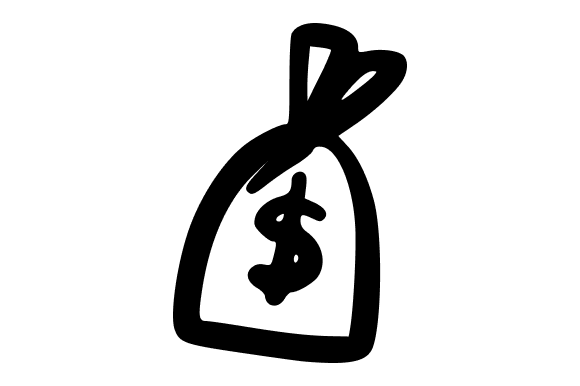
Embroidery design is all about making the right impression—whether it’s on a custom sweatshirt, a personalized gift, or a commercial product for resale. When I first saw Money Bag Filled with Dollar Bills, I was intrigued by its bold and symbolic theme. It's a black and white line art illustration that immediately conveys wealth, success, and a touch of whimsy. But as an experienced designer and embroidery reviewer, my curiosity quickly shifted from aesthetics to practicality: how would this design perform in real-world embroidery applications?
First Impressions and Visual Personality
The Money Bag Filled with Dollar Bills design has a strong visual identity. The clean lines and monochrome palette make it feel modern and versatile. There’s a sense of humor and charm in the imagery, which could appeal to a wide audience depending on the context. As a line art illustration, it doesn’t rely on color, so the focus is entirely on form and contrast. This can be both a strength and a limitation.
I imagine this design fitting well into projects where simplicity and clarity are key. Think of a tote bag with a subtle metallic thread outline or a patch that adds just the right amount of personality to a denim jacket. Its graphic nature also makes it suitable for print-on-demand items like digital mockups or web graphics. For handmade shop owners or Etsy sellers, it offers a ready-to-use motif that stands out without being overwhelming.
Real-Life Application Scenarios
Let’s consider a few practical use cases:
- Custom Apparel: A sweatshirt or t-shirt with this design could work well if stitched using satin stitch around the outlines and fill stitch inside the shapes. The detail level is enough to catch attention but not so dense that it becomes unmanageable.
- Tote Bags: On a cotton or canvas tote, this design can serve as a statement piece. The high-contrast lines stand out clearly against lighter backgrounds, making it ideal for a boutique product or small shop merchandise.
- Baby Items: While the theme is money-related, the design is simple enough to adapt into a more playful style. With some tweaks, such as adding soft pastel thread colors or surrounding it with cartoonish elements, it could even work for baby clothes or nursery decor.
- Patches and Caps: The design's compact layout makes it suitable for embroidered patches or cap designs. Just be cautious with curved surfaces—test stitching placement to ensure symmetry and avoid distortion.
- Commercial Projects: If you're working with digital embroidery files for print design or presentations, this illustration is a solid choice. Its line-based structure translates well to vector formats, and it holds up in both large and small scale previews.
Design Performance in Real Embroidery Work
In terms of stitching clarity, the design handles medium-sized hoops reasonably well. However, due to the intricate details in the bill stack, smaller hoop sizes may require simplification or resizing. The line art format means there aren't many overlapping stitches, which is great for reducing bulk and maintaining fabric integrity—especially important for thin or stretchy materials.
If you’re planning to use this for handmade products, keep in mind that the visual impact depends heavily on the background fabric. Light-colored fabrics will showcase the design best, while dark ones might need a white stabilizer or a light underlay to maintain visibility. Also, the absence of color means you’ll have to be strategic with your thread choices. Metallic threads can add dimension, while variegated threads might unintentionally distract from the clean look.
Where Caution Is Needed
Though the Money Bag Filled with Dollar Bills is visually appealing, there are several scenarios where extra care is necessary:
- Small Hoop Sizes: The detailed dollar bills may become too fine when scaled down. Always test the design on scrap fabric before finalizing a project.
- Textured Fabrics: Canvas, linen, or burlap can cause the line art to lose sharpness. Use a lightweight cutaway stabilizer to help preserve definition.
- Thin or Stretchy Materials: Avoid using this design on delicate silks or spandex blends unless you're prepared to reinforce the area with proper backing.
- Dense Stitch Areas: The central part of the bag, especially the stacked bills, could create tight stitch clusters. Adjust stitch density if needed to prevent puckering or tearing.
- Curved Surfaces: Embroidering this on a curved surface like a cap or sleeve requires careful alignment and possibly splitting the design across multiple sections.
- Frequent Washing: If this goes onto a kitchen towel or apron, ensure the design is properly backed and secured to withstand repeated laundering.
Impact on Product Value and Customer Perception
This design brings a unique flair to any embroidered project. It elevates the visual appeal of a basic item into something memorable, especially for customers who appreciate subtle yet meaningful symbols. Whether used on a holiday gift, a promotional item, or a personalized product, it adds a professional finish that can enhance brand consistency and buyer engagement.
For craft business owners and Etsy sellers, the design’s distinctiveness helps in standing out among competitors. It's recognizable at a glance and works well in cohesive collections—think financial-themed accessories or budget-friendly gifts with a twist. That said, the design should align with the overall brand tone. It's not suited for every niche, but it fits perfectly in boutique-style shops or creative startups aiming for a playful edge.
Designer Notes for Best Results
Here are a few tips to ensure the Money Bag Filled with Dollar Bills embroidery design performs at its best:
- Test First: Always stitch the design on a scrap piece of your intended fabric to evaluate how it looks and feels after completion.
- Check Thread Contrast: Since it’s a black and white illustration, ensure your chosen thread colors provide enough contrast against the fabric. White on white won’t work unless you plan for a shadow effect or underlay.
- Review Stitch Density: Especially in the denser areas of the design, like the center where the bills meet, adjust the stitch count to suit the material and machine capabilities.
- Confirm Hoop Size: Without exact specifications provided, always double-check what hoop size your embroidery machine recommends for similar designs. Don’t assume it’ll fit in a small hoop unless you’ve verified.
- Inspect Small Details: Line art often includes fine elements that may not translate well to certain fabrics or machines. Zoom in during testing to see if tiny lines remain visible or get lost.
- Use Proper Stabilizer: Depending on the fabric, choose between tear-away, cut-away, or wash-away stabilizers to support the design during and after stitching.
- Check Licensing: Before selling finished items or digital assets, confirm whether the design allows for commercial use. This is critical for apparel decorators and digital product sellers.
Adaptability and Versatility
One of the strengths of this machine embroidery design is its adaptability. You can easily modify the thread types or stitch styles to match your aesthetic. Consider using a running stitch for the dollar lines to reduce density, or switch to a combination of satin and fill stitches for a polished finish. Because it's a line art illustration, it’s also compatible with applique techniques if you want to layer it with other designs or add texture.
As an embroidery file, it’s straightforward to edit. You can reposition elements, adjust sizing, or even break it into parts for different placements. For example, the money bag itself could go on one side of a pillow cover, while the dollar bills could be separated for a border or pocket design.
Final Thoughts and Recommendations
The Money Bag Filled with Dollar Bills isn’t just another generic graphic—it’s a design with character and potential. It speaks to a specific mood: celebration, aspiration, or playfulness. As a designer, I value its versatility and the ease with which it can be integrated into various embroidery projects, from casual apparel to high-end gifts.
But don’t take my word for it—this design needs to be tested in real conditions. Try it out on a sample tote bag or a printable mockup before mass production. Look closely at how the details hold up and how the design interacts with different textures and lighting. These small observations can mean the difference between a great finished product and one that falls flat.
If you're considering this for your next handmade product or small business merchandise, I recommend using it on light, stable fabrics with good coverage. It shines brightest when given room to breathe and when paired with thoughtful execution. And remember—if you're selling it commercially, always verify licensing terms to protect yourself and your brand.
In short, Money Bag Filled with Dollar Bills is a design worth considering for those looking to add a touch of creativity and symbolism to their embroidery work. Just approach it with a bit of strategy and let your instincts guide the rest.