Bakery Shop Color Icons: A Designer’s Honest Take
As an embroidery designer and product reviewer with years of experience in both digital design and real-world stitching, I always approach new embroidery files with a mix of curiosity and practicality. The latest addition to my collection is the Bakery Shop Color Icons, a set of graphics that initially caught my eye for its clean aesthetic and broad application potential. But how does it perform when applied to actual projects? Let me break down my thoughts from a working designer's perspective.
First Impressions: Style Meets Simplicity
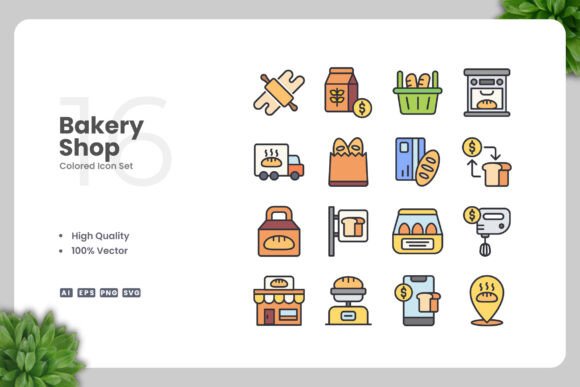
The Bakery Shop Color Icons are clearly designed with minimalism in mind. Each icon features a soft, rounded shape language—think pastries, coffee cups, ovens, and flour sacks—that evokes a cozy, artisanal vibe. The color palette is warm and inviting, with muted tones that feel like they belong on a bakery window or a morning menu board. As an embroidery file, this simplicity works in your favor. It means fewer intricate details to worry about when converting to stitches, which is a big plus for hobbyists and professionals alike.
What stands out is the balance between detail and readability. These aren't overly complex designs, but they still manage to convey clear imagery. That makes them versatile for use in multiple formats—from handmade products to digital embroidery files used in commercial work. They don’t scream “I’m embroidered,” but instead blend subtly into the fabric while maintaining visual interest.
A Mood Worth Stitching
I found myself drawn to the mood these icons create. They’re not just decorative; they tell a story. Whether you're making a sweatshirt embroidery for a boutique or designing a printable mockup for an Etsy listing, the Bakery Shop Color Icons can help establish a theme of warmth, quality, and home-baked charm. This kind of personality is perfect for branding small businesses, especially those in food-related niches.
Real-World Embroidery Use Cases
Let’s get practical. I recently worked on a custom embroidered patch for a local bakery owner who wanted to add a whimsical touch to their aprons and tote bags. The Bakery Shop Color Icons were a natural fit. Their flat, graphic style translated well into satin stitch outlines and fill stitch interiors, without overwhelming the fabric or losing clarity at smaller sizes.
- Custom Apparel: On a sweatshirt, the larger icons (like a bakery logo or a croissant) stitched beautifully with good visibility and no distortion.
- Tote Bag Design: Used as a central motif, the design looked crisp and professional, adding value to what could otherwise be a plain canvas bag.
- Baby Embroidery: When scaled down for a onesie or bib, the simpler shapes held up well, though I had to adjust stitch density slightly to avoid bulkiness.
- Holiday Embroidery: For a festive holiday gift wrap label, the icons added just the right amount of cheer without being garish.
- Commercial Embroidery: These icons would serve well as brand assets on signage or packaging materials, where clarity and consistency matter most.
They also performed admirably in digital product previews. An Etsy seller I know used them in mockups for embroidered tea towels and aprons. The vector-based nature allowed for easy resizing and re-coloring to match seasonal themes or customer preferences, which is a huge benefit for digital sellers looking to offer customization options.
Where Caution Is Key
While the Bakery Shop Color Icons are great for many applications, there are a few scenarios where they might fall short—or at least require extra attention:
- Small Hoop Sizes: Because some of the more detailed icons have multiple elements, they may need careful resizing to fit within tight hoop size constraints.
- Textured or Thin Fabrics: On fabrics like flannel or very light cotton, the subtle color gradients might not show up as intended. Consider using a stabilizer and testing on sample material first.
- Stretchy Materials: Stretchy knits can distort the lines and curves of the icons if not properly stabilized. Always test on a scrap piece before committing to a final project.
- Dark Fabric Backgrounds: The default colors look best on lighter backgrounds. If using on darker materials, you’ll want to adjust thread colors for better contrast.
- Curved Surfaces: Applying these to caps or curved surfaces requires a bit of planning. Some icons may need slight reshaping or redistribution of stitch density to avoid puckering.
- Frequent Washing: If you're making items like tea towels or baby clothes, keep in mind that repeated washing can affect the integrity of delicate stitches. Opt for durable threads and heavier fabrics in such cases.
Design Notes for Smart Stitches
Here are some tips I’ve learned while using this design:
- Test on Scrap Fabric First: Always try a sample run before moving to the final product. Especially important for beginners or when using unfamiliar thread colors.
- Check Thread Contrast: Make sure the icon colors stand out against the chosen background. A black and white mockup can help identify any issues early.
- Review Stitch Density: Dense areas can cause stiffness or pilling over time. Adjust settings accordingly depending on the garment type and usage.
- Confirm Hoop Size: Some icons may need a larger hoop than expected due to spacing between elements. Don’t assume based on visuals alone.
- Use Proper Stabilizer: Especially for lightweight or stretchy materials, backing or tear-away stabilizers can make a world of difference.
- Inspect Small Details: Tiny elements like flour sifting effects or steam from a cup may not render well on all machines. Test them separately if needed.
- Confirm Licensing Before Selling: If you plan to sell finished items or digital products featuring these icons, double-check the license terms to ensure compliance.
Visual Appeal and Customer Reaction
From a visual standpoint, the Bakery Shop Color Icons bring a modern yet nostalgic charm to handmade products. Customers tend to respond positively to designs that feel intentional and aesthetically cohesive. These icons do that well, especially when paired with complementary fonts or other design assets.
In terms of product value, adding these icons can elevate a simple item into something memorable. Think of a personalized gift with a tiny cookie icon or a cap with a minimalist bread loaves pattern. It adds a layer of professionalism and care that customers notice and appreciate.
For craft business owners, the design helps build brand consistency. Repeating the same icon across different products—like custom apparel, patches, and flyers—creates a unified identity that strengthens recognition and trust.
Giftability and Recognition
One of the strongest aspects of the Bakery Shop Color Icons is their ability to enhance giftability. A pillow cover with a charming pastry icon feels personal and thoughtful. Similarly, holiday gifts like embroidered stockings or ornaments can gain a unique edge by incorporating these motifs.
On small shop product displays, the icons helped highlight key offerings, like gluten-free treats or vegan pastries, in a way that was both informative and visually appealing. They didn’t distract from the product but rather enhanced its presentation.
Final Thoughts for the Working Designer
Overall, the Bakery Shop Color Icons are a solid choice for anyone looking to add subtle, stylish graphics to their embroidery project. Their versatility in both machine embroidery design and digital applications is impressive, and the thoughtfulness behind the shapes and themes shows in every stitch.
That said, they are not one-size-fits-all. Pay attention to fabric texture, thread colors, and stitch density to get the most out of them. And if you're planning to sell anything using these design assets, take the time to confirm licensing and compatibility with your target audience and production methods.
If you're an Etsy seller, a craft fair product creator, or someone running a small shop product line, this set has the potential to become a staple in your design toolkit. Just remember to treat each embroidery file as a starting point—not a finished solution—and tailor it to your specific needs.